Laying the Foundation for Literacy: The Importance of Pre-Writing Skills
Incorporating these fun and easy activities into your daily routine, you can provide your child with a strong foundation for future writing success
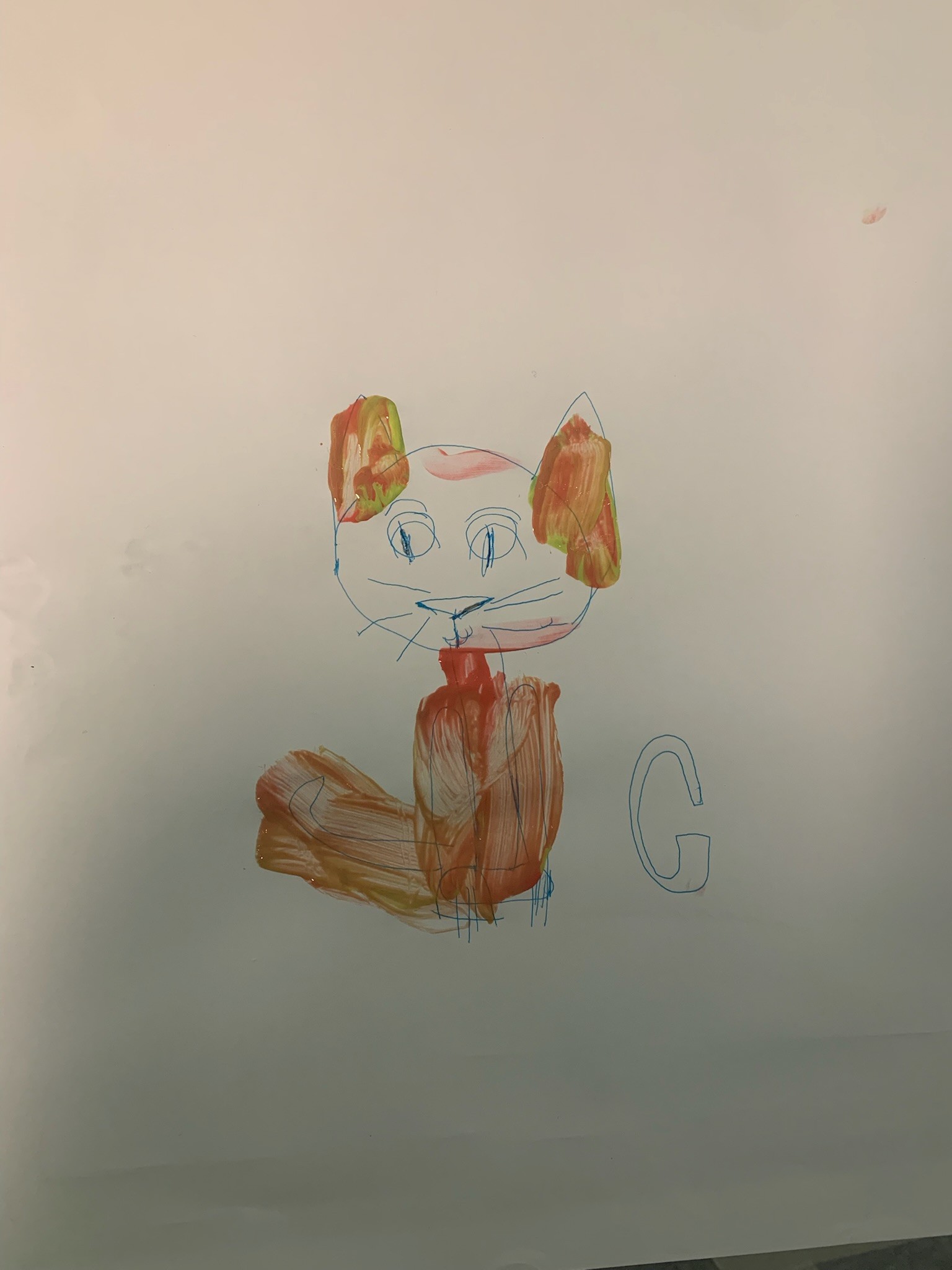
Before children can confidently pick up a pencil and form letters, they need to develop a range of foundational skills known as pre-writing skills. These skills are essential building blocks for handwriting and overall literacy development. This post will explore the importance of pre-writing skills and offer fun and easy activities you can do at home to support your child's development in this area.
In my experience working with early years professionals and observing children's learning journeys, I've seen how strong pre-writing skills can significantly impact a child's confidence and success in later writing activities. Conversely, a lack of these foundational skills can lead to frustration and difficulties with handwriting. Therefore, nurturing these skills from an early age is crucial.
With many children now on their half-term break, developing these skills through things like painting or fine motor play is a great way to boost their writing without it seeming like work!
What are Pre-Writing Skills?
Pre-writing skills encompass a range of abilities that prepare a child for formal writing. These include:
Fine motor control: The ability to use small muscles in the hands and fingers for precise movements.
Hand-eye coordination: The ability to coordinate hand movements with visual information.
Visual perception: The ability to interpret and understand visual information, including shapes, lines, and patterns.
Spatial awareness: The understanding of how objects relate to each other in space.
Gross motor skills: While seemingly unrelated, strong gross motor skills provide a foundation for fine motor development.
Why are Pre-Writing Skills Important?
Developing strong pre-writing skills is essential for several reasons:
Handwriting readiness: These skills lay the groundwork for legible and efficient handwriting.
Literacy development: Pre-writing skills support early literacy development by fostering an understanding of shapes, lines, and patterns, which are the building blocks of letters.
Cognitive development: Activities that develop pre-writing skills also enhance cognitive functions such as problem-solving, creativity, and attention.
Boost confidence: When children have a solid foundation in pre-writing skills, they are more likely to approach writing tasks with confidence and enthusiasm.
Fun and Easy Activities to Develop Pre-Writing Skills at Home:
Here are some engaging activities you can do at home to nurture your child's pre-writing skills:
Play-doh and clay: Rolling, pinching, and shaping playdough strengthens fine motor muscles and hand-eye coordination. Encourage your child to create different shapes, letters, or even roll "snakes" to mimic the strokes used in letter formation.
Painting and drawing: Provide large sheets of paper and a variety of art materials, such as crayons, paintbrushes, and finger paints. Encourage your child to explore different strokes and create pictures.
Sensory play: Activities like playing with sand, water, or rice provide tactile input and help develop hand-eye coordination. You can hide small toys in these sensory bins and have your child dig them out.
Threading activities: Threading beads onto a string or pasta onto yarn helps develop fine motor skills and hand-eye coordination.
Cutting and sticking: Provide child-safe scissors and encourage your child to cut shapes out of paper. Sticking these shapes onto a larger piece of paper further develops fine motor skills and spatial awareness.
Building with blocks: Building with blocks helps develop spatial reasoning and hand-eye coordination.
Outdoor play: Activities like climbing, swinging, and playing in the sand enhance gross motor skills, which are essential for fine motor development.
"Cooking" activities: Simple baking or food preparation tasks, like stirring, pouring, and spreading, can help develop hand-eye coordination and fine motor control.
While it's important to encourage pre-writing skills, don't worry too much about perfecting pencil grip at this stage. Focus on developing the foundational skills first. A functional grip will naturally emerge as their fine motor skills develop.
Incorporating these fun and easy activities into your daily routine, you can provide your child with a strong foundation for future writing success. Remember to be patient and encouraging, and celebrate their progress along the way. These early experiences with pre-writing skills will set the stage for a lifelong love of literacy.